Your Journey, From First Call to One-Year Review
Every step, in order, with who does what and where you are. The patients who do best chose this with clear eyes, so here is the whole road.
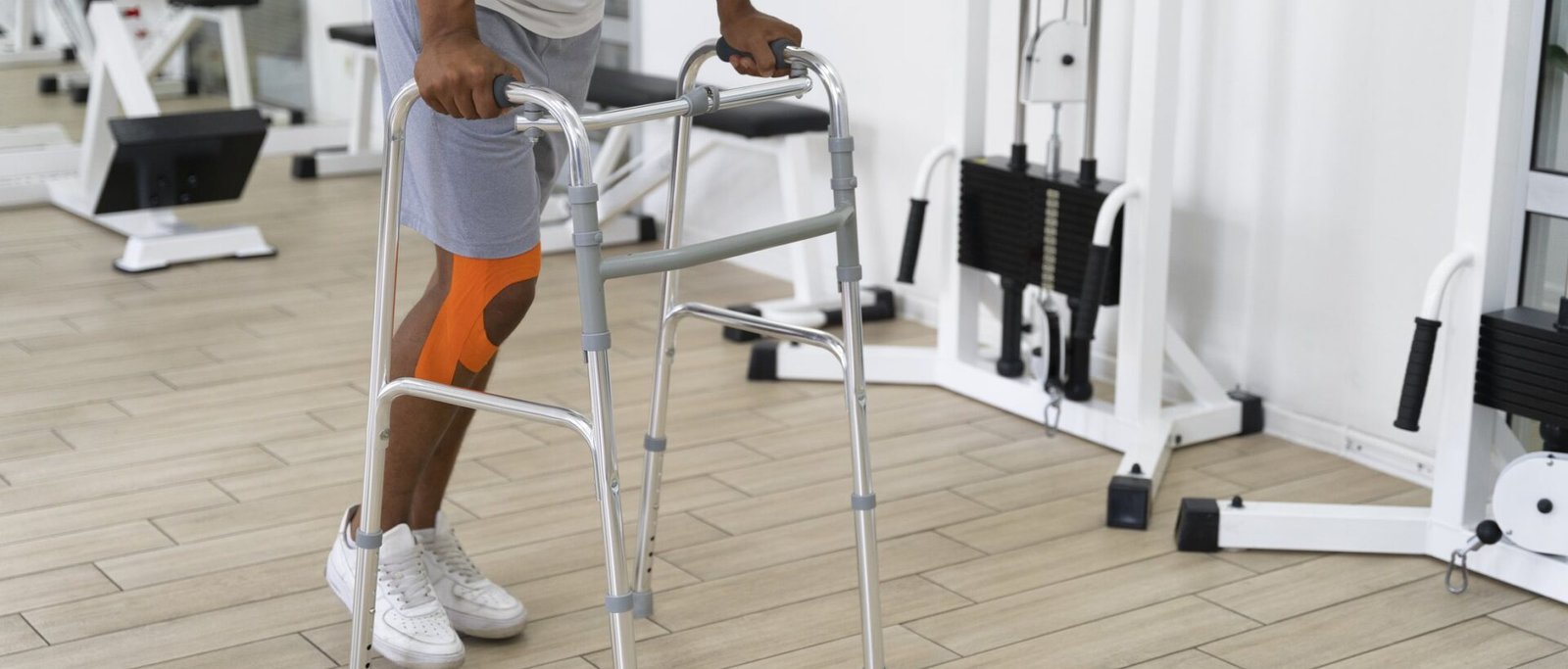
Limb lengthening is a months-long commitment, and the commitment runs both ways. Below is the whole journey as it actually happens, with the realistic timing for a single-segment LON lengthening of about 8 cm.
1. The first conversation
You write to us through the consultation form or a messenger. A coordinator replies within one working day, answers your first questions, and explains how to send X-rays securely. Nothing is paid.
2. The surgeon’s written assessment
Prof. Mirzoyan reviews your X-rays and your history personally and writes a candidacy assessment: whether he would operate, the realistic gain range, and the method he would use. If the answer is no, we say so and explain why. This takes up to seven days.
3. The video consultation and the written plan
A video call with the surgeon, with your coordinator interpreting if needed. You ask everything. Afterwards you receive a written treatment plan and a written quote. Only then do we discuss a deposit and dates.
4. Preparing at home
- Blood tests and a general health check with your own doctor, using our checklist.
- A stop date for smoking, well before surgery.
- A daily stretching programme for the hamstrings, calves and Achilles tendon, which is the best predictor of a comfortable distraction phase.
- Flights, accommodation chosen with your coordinator, and a packing list written for someone who will live in loose trousers.
5. Arrival in Yerevan
A named driver meets you at Zvartnots airport and takes you to your apartment or hotel. Your coordinator meets you the same day or the next morning with a local SIM card and the week’s plan.
6. The face-to-face consultation and tests
At the hospital: examination, measurements, pre-operative tests, the anaesthetist’s review, and the consent forms you have already read at home. The surgeon confirms the plan.
7. Surgery
Three to five hours under general anaesthesia. You wake in your private room with your coordinator nearby. The first days are about pain control, breathing exercises, and the first steps with a walker on day one or two.
8. Hospital days
About 4 nights. Physiotherapy begins in the hospital. Before discharge the nurse teaches you pin-site care and the surgeon’s team teaches you the distraction routine.
9. Distraction: the daily millimetre
From about the fifth to the seventh day you turn the frame a quarter of a millimetre, four times a day. Each week: five physiotherapy sessions, nurse visits, rest, and short outings. Every two weeks: an X-ray and a review with the surgeon, with transport included. Most patients work at a desk from the second week.
10. Frame removal
When the target is reached, the frame is removed in a short procedure and the nail is locked. A few days later the surgeon confirms you are fit to fly and gives you the consolidation programme and the X-ray schedule for home.
11. Consolidation at home
The new bone hardens over three to six months. You continue physiotherapy with a therapist at home, following our programme, and send X-rays to the surgeon at the agreed intervals. Video reviews with the surgeon at three, six and twelve months.
12. Back to your life
Walking unaided, then stairs, then sport, in that order and on the surgeon’s say-so. The one-year review closes the plan. Our relationship with you does not: you can reach your coordinator for as long as you need to.
Begin with a conversation.
No commitment, no pressure. Send your questions and, if you have them, your X-rays. You will hear back from a person within one working day.
Book a private consultation