Daily Life During Limb Lengthening: Showering, Sleeping, Stairs and the Bathroom
The practical side of the months on a walker: showering, sleeping, stairs, clothes and the bathroom during limb lengthening, and how to set up your home.
Medically reviewed by Prof. Arshak Mirzoyan, MD, DMedSc. Last reviewed 10 November 2026.

In short: The first weeks are about logistics: a step-free shower with a seat and grab rails, an adjustable bed, loose trousers and slip-on shoes, a walker for short distances and a wheelchair for longer ones. Your surgical team sets the rules on getting pin sites wet and on stairs, so follow theirs over any forum’s advice.
The surgery gets the attention, but the months afterwards are lived in a bathroom, a bed and a hallway. The most common practical questions on forums are about showering, sleeping and stairs, and the answers are mostly about preparing the space before you arrive.
This is a general guide. Your team will tell you exactly what to do with your own dressings and frame.
Set up the space first
Every property we use has an elevator or a step-free entrance, a step-free shower, grab rails, a proper bed, fibre internet and a desk, and is a short drive from the hospital. The recovery apartments add an adjustable bed. If you are arranging your own accommodation, those are the features to insist on, and they matter as much at home after you return. Paediatric limb-lengthening guidance also recommends a shower chair for the first weeks, and we agree. Our stay in Yerevan page describes what the weeks look like.
Showering
Showering is possible, and the questions are about the pin sites. The nurses teach you pin-site care before discharge, and they visit the apartment for dressing changes, which is included in our package. Rules on when and how pin sites may get wet differ between teams and between stages, so ask yours and write it down. Put a stable seat in a step-free shower, keep a non-slip mat, and have someone nearby for the first few times. A fall on a bathroom floor is the kind of accident that sets recovery back.
Sleeping
Sleep is where many patients struggle. Tightness and cramping in the lengthening leg are common (see does limb lengthening hurt?), and the frame makes it harder to turn over. An adjustable bed that lifts the legs, pillows to support the limb, and a fixed bedtime routine are the usual fixes. Ask your team about pain medication timing before bed, and do not skip the evening stretching, which also helps the night.
Stairs, the bathroom and getting around
You take your first steps with a walker on day one or two. Stairs come later, with a physiotherapist and in the way they teach. Until then, plan to live on one level, use a raised toilet seat or frame if your team suggests it, and use the wheelchair for any distance. Taxis booked through an app give a door-to-door fare, and outings in the first six weeks are short by design. Our article on walking during limb lengthening covers the progression.
Clothes and shoes
Bring loose trousers, shorts or split sweatpants that fit over the frame, and slip-on shoes you can put on without bending. Our packing list is written for someone who will live in loose clothes for three months. Choose soft fabrics for the leg that sits against the frame.
A one-page checklist
- Step-free entrance or elevator; one-level living.
- Step-free shower with seat, grab rails and non-slip mat.
- Adjustable or supportive bed; extra pillows.
- Walker, crutches and a wheelchair for distance.
- Loose trousers or shorts; slip-on shoes.
- A companion for at least the first two weeks.
- A written copy of your team’s pin-site and shower rules.
Sources: Limblong stay and journey pages, checked Nov 2026; Pediatric external-fixator home-care guidance, KidsHealth (2026 edition).
Can I shower during limb lengthening?
Yes. The question is how the pin sites are protected, and teams differ. Ask your nurse to explain and write down the rules. A step-free shower with a seat, grab rails and a non-slip mat makes it safe.
How do you sleep with a frame on your leg?
Most patients sleep on their back with the leg supported on pillows or an adjustable bed. Tightness and cramps are common, so keep up evening stretching and ask the team about the timing of pain medication.
When can I use stairs?
After the physiotherapist has taught you how, which comes after the first steps with a walker on day one or two. Until then, live on one level or use an elevator. Do not practice stairs alone.
Do I need a wheelchair?
For distance, yes. The walker is for short distances and the wheelchair for anything longer. In our package the walker, crutches and a wheelchair are provided for your stay.
Keep reading

How Long Off Work After Limb Lengthening? A Practical Guide by Job Type
How much time to take off work or school for limb lengthening, by job type, and how to plan remote work during the months of recovery.
Read the articleWhat you eat (and whether you smoke) changes how fast your bone grows
The regenerate is built from what you eat and starved by what you smoke. Protein, calcium, vitamin D testing, nicotine in any form, alcohol, NSAIDs, weight limits, and the Armenian food that happens to help.
Read the article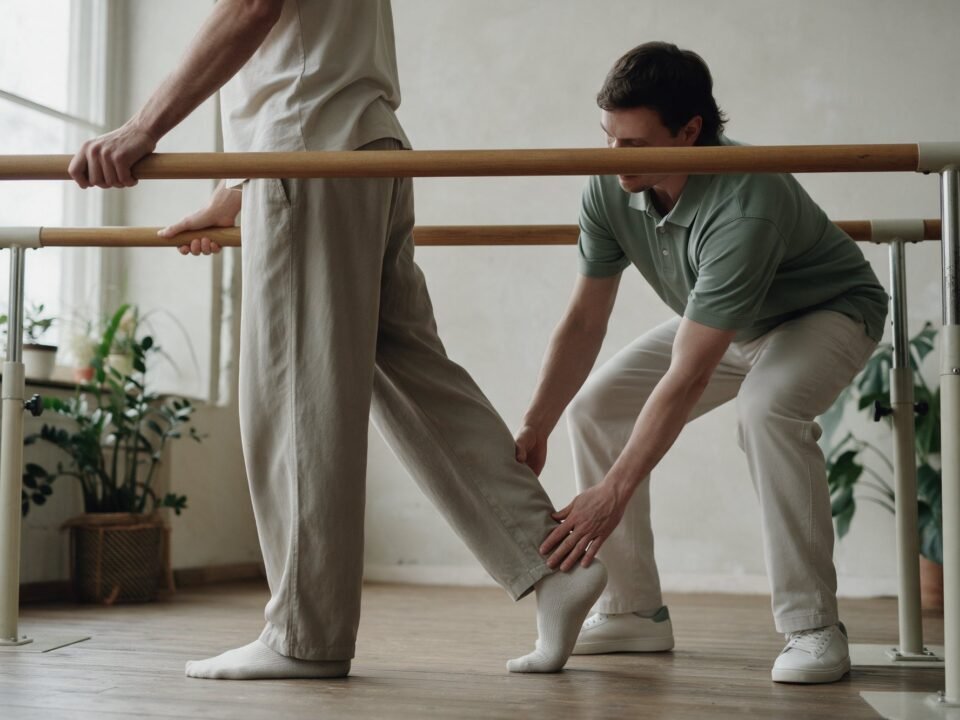
How painful is limb lengthening? A stage-by-stage account, without euphemisms
Patients ask for a number out of ten. The honest answer is a sequence: a few hard days in hospital, twelve weeks of tightness and broken sleep, a mental low at week six, and months of stiffness. Here it is, phase by phase.
Read the articleBegin with a conversation.
No commitment, no pressure. Send your questions and, if you have them, your X-rays. You will hear back from a person within one working day.
Book a private consultation