The second surgery nobody budgets for: nail removal after limb lengthening
Frame removal happens before you fly home; nail removal is a second operation one to two years later that most quotes leave out. Why, when, what it costs in the US and abroad, and whether you can skip it.
Medically reviewed by Prof. Arshak Mirzoyan, MD, DMedSc. Last reviewed 16 October 2026.
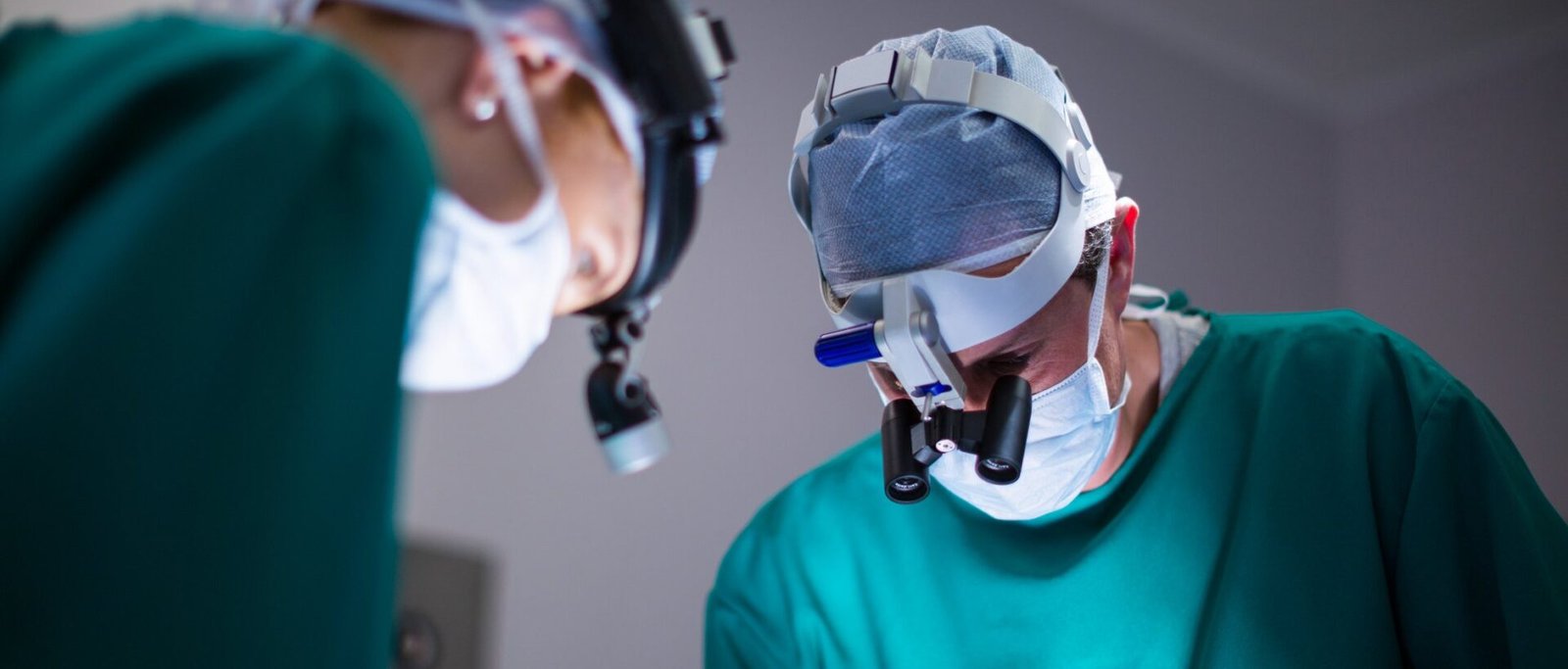
In short: The nail that let you walk during limb lengthening usually comes out one to two years later, in a second, smaller operation that most quotes leave out. In the US it is priced at $14,500 to $24,500. Abroad it is quoted separately. Some people keep the nail; the surgeon decides from X-rays, and the budget should include it either way.
The email usually arrives about fourteen months after the flight home, and it usually starts the same way: “I had almost forgotten about the nails.”
That is a good sign, clinically. It means the regenerate consolidated, the knee bends, the patient is back at work and in the gym and has stopped thinking about his femurs. It is a less good sign financially, because what comes next in the email is a question about the second operation, and the second operation was not in the spreadsheet. People budget for the lengthening with great care. Almost nobody budgets for the day the hardware comes out, and the clinics that quoted the lengthening rarely volunteered the figure.
This post is about that day: what is removed and what is not, why it is removed at all, when, what it costs in the United States and elsewhere, what the recovery is like, and whether you can skip it. If you are still at the stage of comparing lengthening prices, start with the line-by-line cost post and come back; this is the line that post told you to add.
Frame removal and nail removal are two different days
The confusion starts with the word “removal”, which means two different things depending on the method. With LON, lengthening over a nail, there are two devices in play: an internal nail inside the bone and a lightweight external frame fixed through the skin. The frame does the pulling during the distraction months. When the planned length is reached, roughly 80 days of turning for 8 cm (about 3 inches), the frame comes off, in Yerevan, under anesthesia, before you fly home. That is frame removal. It is included in our package and in most LON packages anywhere, and it is not what this post is about.
The nail stays. Its job during consolidation is to hold the new bone straight and protect it while the soft regenerate turns into cortical bone over the following months, which is also why LON patients can put partial weight through a walker from the first week. Nail removal is the later, separate operation, one to two years on, once the surgeon is satisfied on X-ray that the bone no longer needs the support. The LON method page walks through the device; the point here is that frame removal is part of the lengthening and nail removal is a second episode of care.
The other methods sort themselves accordingly. A classical Ilizarov frame has no nail, so when the frame comes off at the end of consolidation there is nothing left to remove later, at the cost of wearing the frame for the whole consolidation period rather than only the distraction. LATN, lengthening and then nailing, ends with a nail in the bone exactly as LON does. Fully internal magnetic nails have no frame at all, and the American price lists that use them treat removal as a standard, separately priced line, which tells you how routinely it is done. Which method leaves what behind is set out on the Ilizarov and LATN page.
Why take it out at all
Trauma surgeons leave intramedullary nails in fractured femurs for life all the time, so the question is fair. The reasons surgeons give for removal after cosmetic lengthening vary, and we would rather list them honestly than pretend there is one rule.
The commonest practical reason is irritation. The nail enters at the hip or the knee, and its end, or the locking screws that hold it, can be felt or can rub, particularly in slim patients and in people who squat and run a lot. For some that is nothing; for others it is a daily low-grade nuisance that goes away the day the metal does. The second reason is the future. Our patients are mostly in their twenties and thirties, and a nail left in at 28 is a nail that is still there at 68, when a hip or knee replacement is a real possibility and an old implant in the way makes that surgery harder. The third is simply preference. Many people who have gone through a year of this want to finish it, and finishing means no hardware. The fourth is that some nail designs are intended to be removed once their work is done, and the surgeon who put a particular nail in will tell you whether yours is one of them.
Against removal: it is another anesthetic, another hospital, another bill, another short period on crutches, and it carries the ordinary risks of any operation, infection and anesthesia among them. The common surgical position, and the way it is handled with our patients, is that removal is reasonable once the bone is fully consolidated, that it is not urgent, and that the decision is made patient by patient from X-rays and symptoms rather than by calendar.
When: not before the bone is ready, not years after
The timing has a floor and a soft ceiling. The floor is consolidation. The new bone has to be mature enough on X-ray to stand on its own without the nail, because the nail is removed through the same canal it occupies and the screw holes it leaves are, for a time, weak points. Take it out too early and you risk a fracture through a regenerate that still needed the support. That is why the question cannot be answered on the day of the lengthening; it is answered on the twelve-month X-ray, sometimes the eighteen-month one. With us, consolidation at home is followed by video reviews with the surgeon at around three, six and twelve months, using X-rays taken locally, and the removal conversation usually starts at the twelve-month review if the films support it.
The soft ceiling is practical. Bone grows over and around hardware with time, and a nail that has been in place for many years can be harder to extract than one removed at eighteen months. There is no fixed cut-off, and plenty of people have nails removed later without trouble, but “one to two years” is the window most programs work in for a reason.
What it costs: the United States versus everywhere else
In the United States the price is public, which makes it a useful benchmark. Premier Limb Lengthening’s 2026 price list sets hardware removal at $14,500 for femurs, $17,500 for tibias and $24,500 for both, one to two years after lengthening. HSS’s published $125,000 and $135,000 figures for femurs and tibias include follow-up, but you should ask in writing whether removal is inside them. Abroad, removal is almost always quoted separately from the lengthening, and that is true of us too: it is not in the all-inclusive package and is priced when the time comes. What the lengthening package does include is laid out on the cost page.
The number that matters, though, is not the clinic’s removal price. It is the price in the country where you will actually be when the time comes, plus the travel if that country is not where you had the surgery. Three routes are open to most of our patients, and they cost very different amounts.
| Where the nail comes out | What you pay for | Published or typical figures |
|---|---|---|
| A US clinic, having lengthened in the US | Removal surgery, hospital, anesthesia; usually local travel only | $14,500 femurs, $17,500 tibias, $24,500 both (Premier, 2026) |
| A US or UK orthopedic surgeon, having lengthened abroad | Home-country surgical fee; needs the implant documentation from the original surgeon | Home-country prices; the US figures above are the benchmark |
| Back to the original surgeon abroad | Removal surgery quoted separately, plus a return flight and about a week of accommodation | Quoted separately with us; apartment at from about $900 to $1,400 per month, pro rata |
| Not removed | Nothing now; periodic X-rays as advised | Only with the surgeon’s agreement on consolidated X-rays |
Advertised prices from providers’ own pages and 2026 cost surveys, checked October 2026. A guide, not a quote.
The second row is the one that catches people. A patient who saves a great deal by lengthening in Yerevan or Istanbul, and then has the nails removed by a surgeon in Chicago, pays Chicago prices for the removal, and should plan on it. The third row is cheaper on the surgery and more expensive on the travel, and it has one advantage money does not capture: the surgeon who put the nail in knows exactly what it is, how it was locked, and which instruments take it out. If you expect to choose the second row, get the implant documentation, make, model, size and locking configuration, from the surgeon’s team before you leave Yerevan, so that your local surgeon is not guessing. Keep it with your passport.
What the operation and recovery are like
Removal is minor compared to the lengthening; that phrase is used so often that it is worth saying what it means in practice. The operation is done under anesthesia, usually through the original insertion incision at the hip or knee and small incisions over the locking screws. The screws come out, the nail is backed out along its own canal, the wounds are closed. There is no osteotomy, no distraction, no frame, no weeks of turning. Most patients are up on the same day or the next, walking with crutches for comfort rather than necessity for a short period, and desk workers are typically back at a laptop within days. We will not put a number of days on it in print because the surgeon sets it for each patient, but the honest comparison is with a sports injury, not with the lengthening.
What is not minor is the bone for the first weeks afterwards. The empty nail canal and the screw holes are temporary weak points, and the surgeon will restrict impact, running, jumping, heavy squats and the like, until follow-up X-rays show the holes filling in. People who treat removal as a formality and return to the gym in the first week are the ones who get into trouble. The same rule that governed the whole process applies at the end of it: the bone decides the timetable, and the X-ray tells you what the bone has decided.
Scarring from removal is, in our experience, less than people fear, because the surgeon reopens the existing incisions rather than making new ones. The small pin-site marks from the LON frame are not affected either way; they fade over the year after frame removal, nail or no nail.
Can you keep the nail?
Sometimes. If the bone is fully consolidated, the nail is causing no symptoms, and the surgeon agrees, some patients choose to leave it, and some surgeons are comfortable with that. People live for decades with intramedullary nails after fractures. What we would not do is make that choice by default because the removal was not in the budget. Make it on the twelve-month X-ray, with the surgeon, with the reasons on both sides in front of you, and if you keep the nail, keep the implant documentation and have the leg X-rayed when a doctor advises it.
One thing to know in advance is that the choice may not be entirely yours. If the surgeon sees a reason on the films or in the examination to take the nail out, he will say so, and if he sees a reason to wait, he will say that. The written complication and revision policy you receive before any payment covers what happens during the lengthening; the removal decision belongs to the follow-up conversation, which is why we schedule the follow-ups rather than wait for your email at fourteen months.
Budget it on the day you budget the lengthening
Whatever country you choose and whatever you eventually decide about keeping the nail, write the removal line into the spreadsheet now, at the price of the country you expect to be living in one to two years from now, plus a flight if you intend to return to the original surgeon. If that number changes which option you can afford, better to find out before the deposit than after the fourteenth month. And if you are still deciding whether to do any of this, the removal is a reasonable thing to ask about in the first conversation: Prof. Mirzoyan reviews X-rays through the consultation page, and “what will the nails cost to take out, and where” is a question he and we would rather hear early.
This article is educational and is not a substitute for a consultation with a qualified surgeon. Individual results vary.
Questions people ask
Do you have to remove the nail after limb lengthening?
Usually it is advisable once the bone has fully consolidated, but it is not automatic. Surgeons remove nails because of irritation at the hip or knee, to keep future joint surgery simpler, because some nail designs are meant to come out, or because the patient wants no hardware. Some people keep the nail with the surgeon’s agreement. The decision is made from X-rays and symptoms, typically at the twelve-month review.
How much does nail removal cost after limb lengthening?
In the United States, Premier Limb Lengthening’s 2026 price list sets hardware removal at $14,500 for femurs, $17,500 for tibias and $24,500 for both. Abroad, including with Limblong, removal is quoted separately from the lengthening package. If you lengthen abroad and remove at home, you pay home-country prices; if you return to the original surgeon, add a flight and about a week of accommodation.
When is the nail removed after limb lengthening?
Typically one to two years after the lengthening, once X-rays show the new bone is mature enough to stand without support. Removing it earlier risks a fracture through a regenerate that still needs the nail; leaving it many years can make extraction harder as bone grows around it. The conversation usually starts at the twelve-month X-ray review.
What is the difference between frame removal and nail removal?
With LON, the external frame does the lengthening and comes off in the clinic when the planned length is reached, before you fly home; that is included in most packages. The internal nail stays to protect the new bone during consolidation and is removed in a separate, smaller operation one to two years later, which is quoted separately. Classical Ilizarov frames have no nail to remove later.
How long is recovery after limb lengthening nail removal?
Much shorter than the lengthening. Most patients are up the same or next day, use crutches briefly for comfort, and desk workers are usually back at a laptop within days. The surgeon restricts running, jumping and heavy loading for a period afterwards, because the empty nail canal and screw holes are temporary weak points until follow-up X-rays show them filling in.
Can a local surgeon remove a nail that was implanted abroad?
Yes, provided they have the implant documentation: make, model, size and locking configuration. Ask the operating surgeon’s team for it before you leave and keep it with your passport. The original surgeon knows the implant and the instruments better than anyone, which is the argument for returning; the local option avoids travel but is billed at your home country’s prices.
Keep reading

What limb lengthening surgery really costs in 2026, line by line
The surgery fee is one line of six. Published 2026 prices by country, plus removal, the three-month stay, physiotherapy, flights and lost income, in one budget.
Read the article
Limb lengthening cost in Japan: what ¥7.7 to ¥17.8 million buys, and how to compare it with surgery abroad
Japanese clinics publish bone lengthening prices in yen, and the range is wide. Here are the published figures for the three main methods, what the quotes tend to leave out, and what the same operation costs abroad.
Read the article
Does insurance cover limb lengthening? Financing, loans and the honest math
Insurance does not pay for cosmetic limb lengthening anywhere. What Americans and Britons actually use, what financing $125,000 costs over five years, and why the country matters more than the loan.
Read the articleBegin with a conversation.
No commitment, no pressure. Send your questions and, if you have them, your X-rays. You will hear back from a person within one working day.
Book a private consultation