Pain relief during limb lengthening: the medicines, the nerve blocks and the NSAID question
How pain is actually controlled during limb lengthening: anaesthesia and nerve blocks, the daily base painkiller, opioids, the anti-inflammatory controversy, Botox, and what you can do yourself.
Medically reviewed by Prof. Arshak Mirzoyan, MD, DMedSc. Last reviewed 4 November 2026.
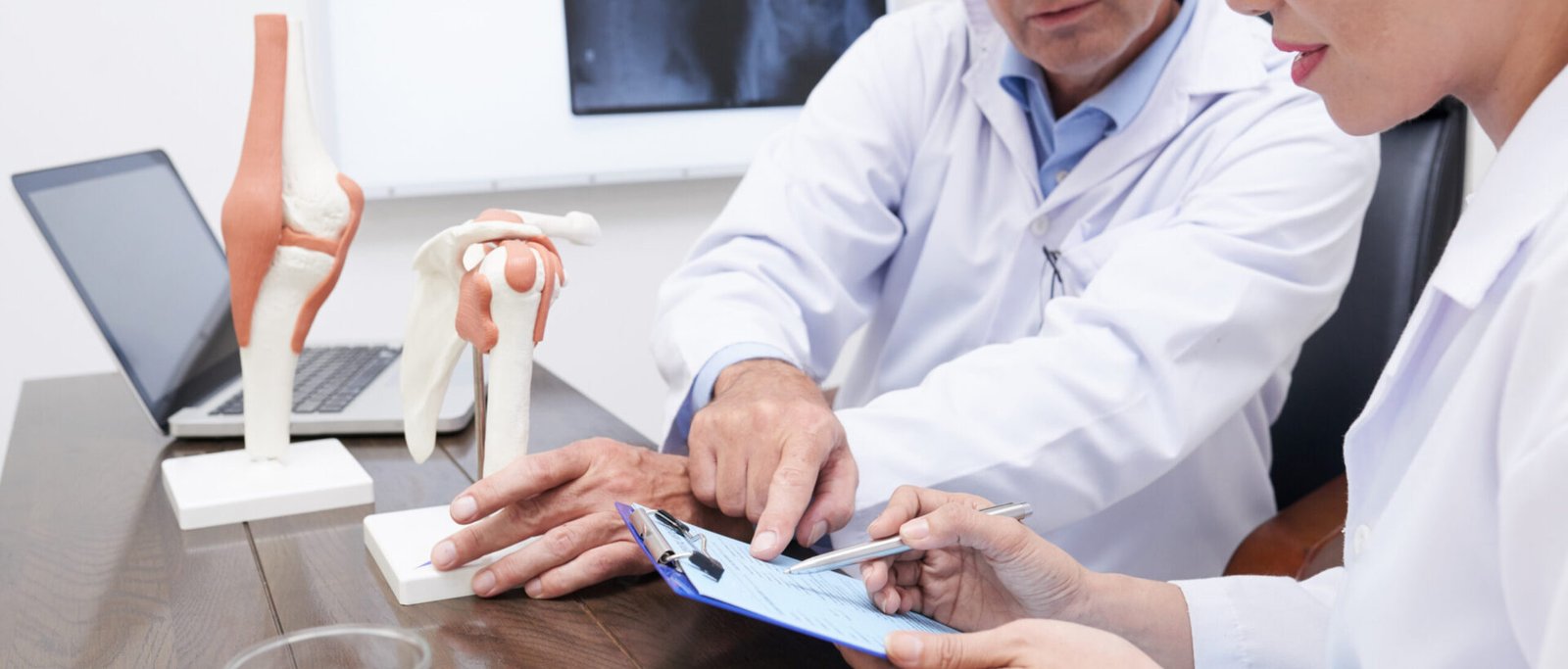
In short: Pain relief in limb lengthening is a layered plan: anaesthesia (sometimes with a nerve block) for the operation, regular paracetamol-type medicine as the base, short courses of opioids for the worst days, and non-drug measures every day. Anti-inflammatories (NSAIDs) are the one real controversy, because they may slow bone healing. Centres disagree, and you should know which approach your surgeon uses before you travel.
“How will my pain be controlled?” is a better question than “will it hurt?”. The second has a simple answer (yes, at times). The first tells you how well a team has thought about the next three months of your life.
This article explains the usual tools, what the evidence says about each, and what is still unknown. It is not a prescription: medicines and doses are decided by your surgeon and anaesthetist, and they depend on your health, your other medicines and the country you are treated in.
The operation: anaesthesia and nerve blocks
Limb lengthening is done under general anaesthesia, sometimes combined with spinal or regional anaesthesia. Some anaesthetists add a peripheral nerve block, an injection of local anaesthetic around the nerves of the thigh, so that the first hours after surgery are calmer.
It sounds obviously better, but the evidence is mixed. In a 2025 study from the Herzenberg group in Baltimore, 192 femoral nail lengthenings were compared: general anaesthesia alone against general anaesthesia plus a femoral or fascia iliaca block. Pain scores in the recovery room were almost the same (an average maximum of 3.8 against 3.3 out of 10). The block did reduce the opioid used straight after surgery and the number of tablets needed at discharge. The authors concluded that routine blocks “may not be warranted”. In other words, a block is a reasonable option, not a must.
Some patients with internal nails now go home the same day. A 2024 series of 20 Precice lengthenings done as day surgery reported no complications caused by the early discharge. For patients travelling from abroad we still prefer a few nights in hospital, because the first days are the ones where help matters most.
The base layer: regular simple painkillers
The quiet foundation of almost every protocol is a non-opioid painkiller taken on a schedule, not only “when it hurts”. Paracetamol (acetaminophen) is the most common. Some European centres use metamizole. Taking it regularly keeps pain lower than chasing it after it has built up, and it reduces how much stronger medication you need.
Opioids: for the worst days, then tapered
Opioids such as tramadol, oxycodone or morphine are used in hospital and for the first days after discharge, then reduced. In the Munich pain-diary study of 168 nail lengthenings, patients received metamizole and tramadol for the first days and opioids afterwards only on demand.
Things worth knowing:
- They work well for surgical pain and less well for the deep, stretching ache of the lengthening weeks.
- They cause constipation, nausea and drowsiness. A laxative plan should start on day one.
- Lengthening patients use opioids for longer than patients having other bone operations. A 2020 New York study measured almost double the total after discharge.
- They are controlled drugs. Crossing borders with them requires paperwork, both into Armenia and back home (see flying after limb lengthening and our country guides for Japan and the USA). In practice, post-operative opioids are best prescribed locally in Yerevan, in the quantity you need.
The NSAID question
NSAIDs (ibuprofen, diclofenac, celecoxib, meloxicam and others) are excellent painkillers for bone and joint pain. The problem is that the same mechanism that reduces inflammation may also slow bone formation, and lengthening depends entirely on new bone forming.
What the evidence says:
- Animal studies point to harm. In a 2007 rabbit study, diclofenac and tenoxicam given during distraction produced weaker, poorer-quality new bone at eight weeks.
- Human lengthening data are limited. In the 2020 Hospital for Special Surgery study, lengthening patients who took NSAIDs (for a median of 94 days) healed more slowly, 38 against 29 days per centimetre, but the difference was not statistically significant. The NSAIDs also did not significantly reduce opioid use in lengthening patients, and stomach bleeding occurred in patients who were also on blood thinners. The centre kept NSAIDs but said it would shorten the courses.
- Fracture research more broadly suggests the risk is dose- and time-related. A 2026 umbrella review linked NSAIDs with non-union, especially in adults and long bones, but found no link for courses of 14 days or less.
So practice is split. Some leading centres avoid NSAIDs completely during lengthening. Others use them. A fair reading of the evidence is that a short course around the operation is probably low risk, while months of NSAIDs during distraction have not been shown to be safe. Ask your surgeon which policy they follow and why, and do not add over-the-counter ibuprofen on your own.
Nerve pain medicines
Burning, electric or tingling pain is different from muscle ache and responds poorly to ordinary painkillers. Doctors sometimes use medicines designed for nerve pain, such as gabapentin or pregabalin. We have not found studies of these drugs specific to limb lengthening, so treat them as a reasonable tool in a surgeon’s hands, not a proven routine. More important than any tablet: nerve symptoms during lengthening are a signal to slow down, as we explain in nerve pain, night pain and tight muscles.
What about Botox for tight calves?
Botulinum toxin injected into the calf or thigh muscles was tried as a way to reduce muscle tightness and pain during lengthening. It has now been tested in four randomised trials with 257 patients, including a Korean trial in 36 cosmetic tibial lengthenings where one leg was injected and the other was not. A 2022 meta-analysis found no significant reduction in pain, either after surgery or during distraction. It appears safe, but there is no good evidence that it helps.
What you do every day
The measures without a prescription are the ones patients underestimate:
- Timing. Take the base painkiller about 30 to 45 minutes before physiotherapy.
- Cold. Ice packs after exercise help swelling and soreness. Protect the skin, and never put ice directly on pin sites or incisions.
- Elevation. Leg up, above the heart, in the evenings, reduces swelling and throbbing.
- Sleep set-up. A firm mattress, pillows to hold the leg in a neutral position, and a short walk to the bathroom rather than a long one. Our apartments in Yerevan are arranged for exactly this (see staying in Yerevan).
- Stretching little and often. Several short sessions a day are less painful than one long one.
- No smoking. Nicotine slows bone healing and that is not the only thing it does; see nutrition and smoking during limb lengthening.
Questions to ask before you book
- What anaesthesia do you use, and do you add a nerve block?
- What is the standard painkiller plan in hospital and for the first two weeks?
- Do you use NSAIDs during lengthening? For how long?
- Who do I call at night if pain suddenly gets worse, and how fast will someone answer?
- What happens to the lengthening rate if I have nerve symptoms?
- Which medicines will I need to take home, and what documents will I need for them?
If a clinic cannot answer these clearly, that tells you something. You can put the same questions to Prof. Arshak Mirzoyan in a private consultation.
This article is educational and does not replace advice from your own doctor. Never start, stop or combine medicines without medical advice.
Questions people ask
What painkillers are used after limb lengthening?
Most protocols combine a regular non-opioid painkiller such as paracetamol with short courses of opioids for the first days. Some centres add a nerve block for the operation and some use anti-inflammatory drugs, while others avoid them.
Can I take ibuprofen during limb lengthening?
Only if your surgeon approves it. Ibuprofen and other NSAIDs may slow the formation of new bone. Short courses are probably low risk, but long use during the lengthening phase has not been shown to be safe, and centres disagree.
Does a nerve block reduce pain after limb lengthening?
It can reduce the opioids needed straight after surgery, but a 2025 study of 192 femoral nail lengthenings found almost the same pain scores with and without a block. It is a reasonable option rather than a necessity.
Does Botox help with pain during limb lengthening?
Four randomised trials with 257 patients found no significant reduction in pain from botulinum toxin injections, although they appeared safe.
Can I bring my own painkillers to Armenia?
Ordinary medicines for personal use are allowed. Narcotic and psychotropic drugs, including tramadol, need medical documents in Armenian or with a notarised Armenian translation and a customs declaration. It is usually simpler to have strong painkillers prescribed locally.
Keep reading

Depression During Limb Lengthening: Why the Middle Months Feel Hard and What Helps
Why low mood is common during limb lengthening, what the research says, warning signs of depression, and practical steps that help before and during treatment.
Read the article
Ilizarov Frame Removal: When It Happens, What It Feels Like and the Weeks After
How surgeons decide the new bone is ready, what Ilizarov frame removal involves, the refracture risk and what the first weeks without the frame look like.
Read the article
What you eat (and whether you smoke) changes how fast your bone grows
The regenerate is built from what you eat and starved by what you smoke. Protein, calcium, vitamin D testing, nicotine in any form, alcohol, NSAIDs, weight limits, and the Armenian food that happens to help.
Read the articleBegin with a conversation.
No commitment, no pressure. Send your questions and, if you have them, your X-rays. You will hear back from a person within one working day.
Book a private consultation